iFixit teardown explains the MacBook Pro's lit logo and where Apple cut weight
Four LEDs and a mirror-coated logo replace the old backlight cutout, while a repair score of 5 out of 10 reflects modest gains in fixability.
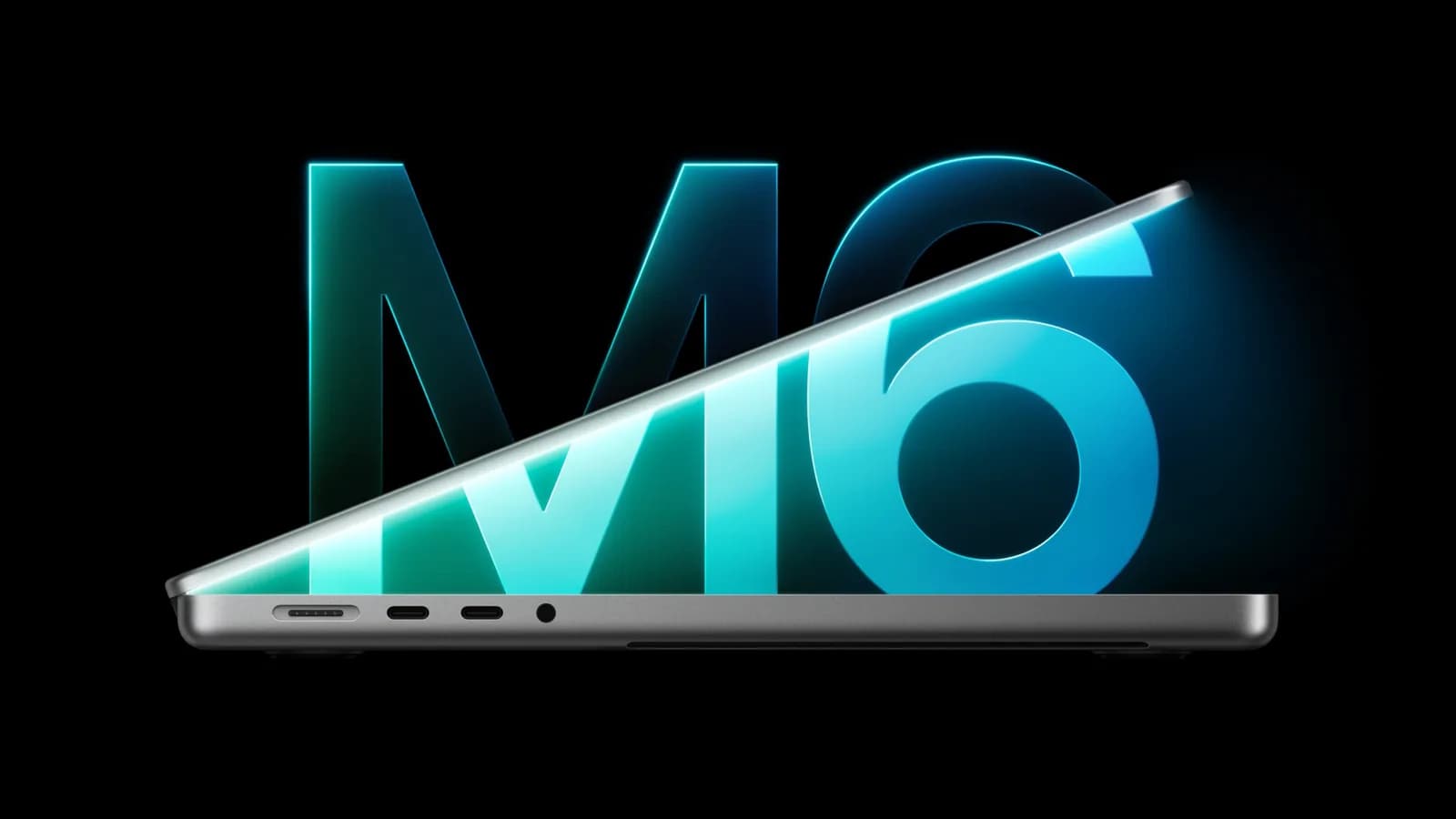
Correction, . An earlier version said the headphone jack can be replaced on its own. 9to5Mac's account says only that the USB-C ports and fans are independently replaceable, and that the headphone jack also requires removing the logic board. We also corrected the weight breakdown: iFixit's teardown puts the saving at 170 grams against the 14-inch M6 MacBook Pro, and its itemised changes, including 10 grams added by the speakers, do not add up exactly to that total.
- What happened
- iFixit published a teardown of Apple's first touchscreen MacBook Pro, the MacBook Pro with PROLED XDR Display.
- What’s new
- The teardown shows how Apple lights the logo without an LCD backlight, itemises the main weight savings and scores repairability at 5/10.
- Why it matters
- Buyers and repairers learn which parts can be swapped after a logic board change and which parts remain soldered or difficult to reach.
iFixit has published a teardown of the MacBook Pro with PROLED XDR Display, Apple's first touchscreen MacBook Pro. Engadget and 9to5Mac both reported on it. The teardown focuses on three things: the return of the illuminated Apple logo on the lid, the tandem OLED panel, and how Apple made the machine lighter.
Lighting a logo without a backlight
On older LCD MacBooks, a cutout in the lid let the display's backlight shine through the logo. OLED panels have no backlight, so that approach no longer works. Engadget notes that Apple dropped the glowing logo in 2016.
iFixit found that Apple now places a strip of four LEDs behind the display. According to 9to5Mac's account, the light passes through a reflective layer and a diffuser so that it spreads evenly. 9to5Mac likens the logo's coating to a two-way mirror; iFixit calls it a mirror-like coating. When the LEDs are off, the logo looks shiny and metallic. When they are on, light passes through it. Reaching this assembly was hard: 9to5Mac reports that iFixit destroyed the OLED panel in the process.
The tandem OLED stacks two light-emitting layers, which gives it more brightness than a single-layer OLED. Under a microscope, iFixit found that the blue subpixels are larger than the red and green ones. iFixit says this should reduce strain on the materials and may extend the display's lifespan.
Where the weight went
9to5Mac says the standard 14-inch model now weighs 3 pounds (1.38 kg), down from 3.4 pounds (1.55 kg). Engadget attributes the reduction to less aluminum in the base and lid and a slightly smaller trackpad. iFixit's teardown, which compares it with the 14-inch M6 MacBook Pro, puts the saving at 170 grams and itemises the main changes, though the items it lists do not add up exactly to that total:
- 92 grams from the chassis
- 101 grams from the display assembly, even with touch and the lit logo added
- 2 grams from the battery
- 8 grams from the trackpad, while the speakers gained 10 grams
Engadget adds that Apple reworked the hinge so the display wobbles less when the screen is tapped.
Repairability: some progress, many old limits
iFixit scored the laptop 5 out of 10. According to 9to5Mac, that is one point higher than last year's M5 MacBook Pro and one point lower than the cheaper MacBook Neo.
The main improvement shows up after a logic board swap. The M5 MacBook Pro failed Touch ID calibration in Apple's Repair Assistant. The new model recognized the battery, display and Touch ID sensor after the swap. True Tone, brightness controls and the touchscreen all worked, and iFixit could enroll a fingerprint using a donor board from another unit.
Much of the disassembly will be familiar. The USB-C ports and fans can be replaced on their own, but, according to 9to5Mac, doing so still means removing the entire logic board, and the headphone jack also requires logic board removal. The HDMI port, SDXC slot, RAM and storage are soldered to the board. Engadget observes that buyers spending up to $15,000 on the laptop are unlikely to repair it themselves.