Tesla's $30,000 Cybercab won't run without a $299 subscription
Private Cybercab buyers face a mandatory monthly autonomy fee, a restricted service area and DC-only charging that the owner must be in the car for.
- What happened
- Tesla has begun selling its steering-wheel-free Cybercab to a limited group of private customers, with deliveries planned for December.
- What’s new
- Tesla's agreements tie the car's operation to a subscription starting at $299 a month and limit charging to DC fast chargers.
- Why it matters
- Buyers pay roughly $30,000 for a car that stops working if the subscription, service area or connection lapses.
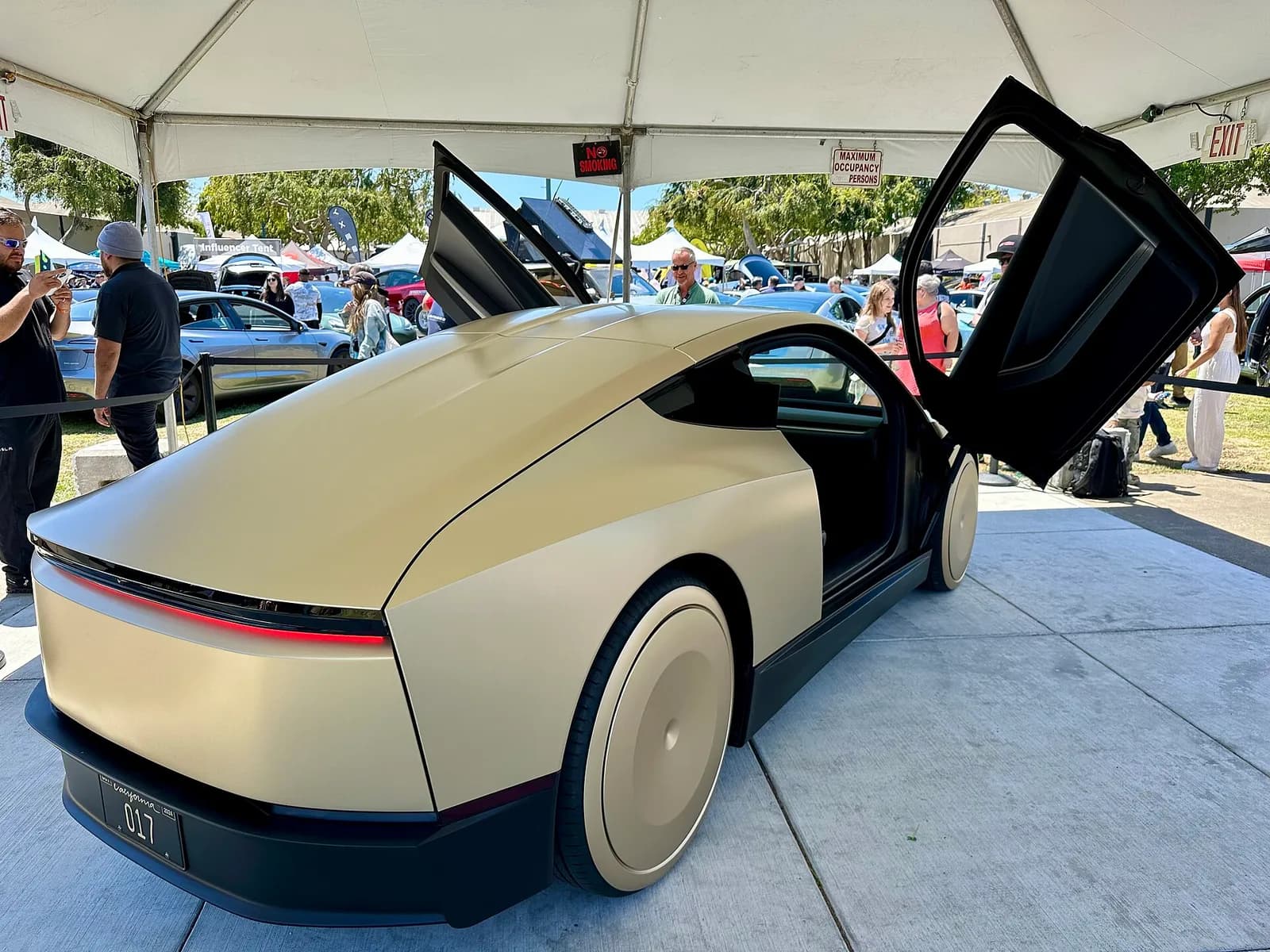
Tesla has opened sales of its Cybercab to private buyers. The two-seat robotaxi has no steering wheel or brake pedals, and WIRED, in a report carried by Ars Technica, says Tesla has invited select customers to buy one in a limited release. WIRED says it is unclear how many people will get the offer.
The two outlets give slightly different prices. WIRED puts the cost at $29,900, with delivery in December. Electrek says Tesla is taking orders for a $29,990 Cybercab and expects first deliveries in Austin in December.
A subscription decides whether it moves
WIRED reports that documents on Tesla's website say the car will not operate without an autonomy subscription, starting at $299 a month. Under those terms, the Cybercab stops working in any of these cases:
- the owner misses or underpays a payment;
- the car is used outside the supported zone, currently parts of cities in Florida and Texas, which Tesla can expand, shrink or relocate;
- the owner does something Tesla deems unauthorised or inappropriate, which lets Tesla suspend or cancel the subscription;
- the car loses its connection, and Tesla's agreement disclaims responsibility for carrier and other external outages.
Ivan Drury, director of insights at Edmunds, told WIRED: "You'll never really own the car."
Charging only at DC fast chargers
Electrek reports that the Cybercab has no onboard charger, something Tesla confirmed to attendees at its Austin launch event in September. Without one, the car accepts only DC fast charging through its NACS port. That rules out a Wall Connector, a standard outlet or Level 2 public stations.
The agreements make the buyer responsible for charging. According to Electrek, the order agreement also says only the registered owner may use the car, and only while physically in it for the whole trip. The one exception is that the car can drive itself, empty, to a Tesla service center. Electrek concludes that owners cannot send the Cybercab to charge on its own and would have to ride along to a Supercharger.
Wireless pad still not a product
Tesla has shown a wireless home charging pad since its 2023 Investor Day. It released a video of the pad charging the robotaxi at 25 kW, and in February the FCC granted Tesla a waiver for ultra-wideband guidance onto the pad. Electrek says Tesla has never sold, priced or dated the pad.
Home DC chargers exist but have drawbacks, Electrek notes:
- Sigenergy's 25 kW module is built to sit inside the company's home battery system.
- Lunar Energy's 25 kW unit is not expected until mid-2027.
In Electrek's view, a car engineered for fleet use is being sold to consumers to meet a deadline. Electrek points out that Elon Musk said on the Q3 earnings call that most Cybercabs will remain Tesla-owned.